

No products in the cart.
CORE LONGEVITY PANEL
€ 599,00
Advanced Nutritional & Functional Health Assessment
A comprehensive functional health panel combining advanced vitamin profiling, mineral and toxic element analysis, and expanded thyroid assessment. Designed to provide deep insight into cellular function, metabolic balance, and long-term health optimization.
Your test at a glance
- Sample
- Blood
- Results from receipt
- Usually 3–10 days
- Fasting
- For adults, a 12-hour overnight fast is recommended; plain water only. Follow any different instructions from WHL.
Timing starts when suitable samples arrive at the laboratory. Shipping time is additional. Combined panels may take longer.
Preparation: Pause non-prescribed nutritional supplements for at least 48 hours, unless WHL or your clinician advises otherwise.
WHL will send the full test instructions with your kit or appointment confirmation. Follow these before collecting.
Preparation and important notesOne charge per request. Processing and handling is charged once for the complete request, not for each test or panel. Collection and delivery charges are shown separately at checkout.
Description
Core Longevity Panel
Advanced vitamin, mineral, and thyroid blood test for comprehensive health assessment
Overview
The Core Longevity Panel builds upon a standard baseline assessment by providing a more detailed evaluation of the factors that directly influence cellular function and long-term health.
While routine blood tests may identify overt abnormalities, this panel is designed to detect subclinical imbalances in nutrient status, thyroid function, and environmental exposure that may impact energy, resilience, and metabolic performance.
This panel represents a comprehensive functional baseline and is particularly suitable for individuals seeking a deeper understanding of their health beyond standard testing.
What Does This Panel Assess?
1. Advanced Micronutrient Status
Comprehensive vitamin profile including active coenzyme forms
Nutrients involved in energy production, methylation, and neurological function
Antioxidant capacity and cellular protection
2. Mineral Balance & Toxic Element Exposure
Essential minerals required for enzymatic and metabolic processes
Electrolyte balance
Heavy metals and environmental exposure affecting cellular function
3. Thyroid Function (Expanded)
Assessment of thyroid hormone production and conversion
Detection of early thyroid dysfunction
Identification of autoimmune thyroid activity
4. Foundational Metabolic Context
Core markers from the Essential Longevity Panel for clinical interpretation
Included Tests
This panel combines clinical baseline markers with advanced micronutrient, mineral, and thyroid assessment to provide a comprehensive overview of cellular and metabolic health.
| Clinical Baseline (Essential) | Complete Blood Count (CBC) Glucose, Insulin, HOMA-IR, HbA1c Lipid profile + Apolipoprotein B (ApoB) Liver function (ALT, AST, GGT) Kidney function (Creatinine, eGFR) C-reactive protein (CRP) Iron panel (Ferritin, Iron, Transferrin, Saturation) Vitamin D, Vitamin B12, Folic acid Magnesium, Zinc, Selenium Thyroid-stimulating hormone (TSH) |
| Vitamin Panel 16 | Vitamins A, D, E, K Vitamin B1, B2, B3, B5, B6 (P5P), B12 Folic acid, Vitamin C Coenzyme Q10 Additional antioxidant-related markersFocus: Energy metabolism, methylation, neurological function, oxidative balance |
| Elements in Blood III (ICP-MS) | Essential Minerals: Magnesium, Zinc, Selenium, Copper, Calcium, Sodium, PotassiumTrace Elements: Chromium, Manganese, MolybdenumHeavy Metals: Mercury, Lead, Cadmium, Arsenic, AluminiumFocus: Enzymatic function, detoxification burden, environmental exposure |
| Expanded Thyroid Function | Free T4 (fT4) Free T3 (fT3) Anti-thyroid peroxidase antibodies (Anti-TPO) Anti-thyroglobulin antibodies (Anti-Tg) |
Why This Panel Is Clinically Valuable
This panel integrates nutritional, metabolic, and endocrine markers to provide a functional-level understanding of health.
In clinical practice, it allows identification of:
- Micronutrient deficiencies affecting energy and cognitive function
- Mineral imbalances impacting metabolic pathways
- Toxic element exposure interfering with cellular processes
- Early thyroid dysfunction and autoimmune thyroid activity
- Cardiometabolic risk beyond standard lipid markers
Who Is This Test Suitable For?
This panel is particularly suitable for:
- Individuals with fatigue or low energy
- Patients with brain fog or reduced concentration
- Individuals under chronic stress
- Those with dietary restrictions or nutrient concerns
- Preventive health optimization
- Patients with normal basic labs but ongoing symptoms
Sample Type and Preparation
Sample Type
Blood sample (venous)
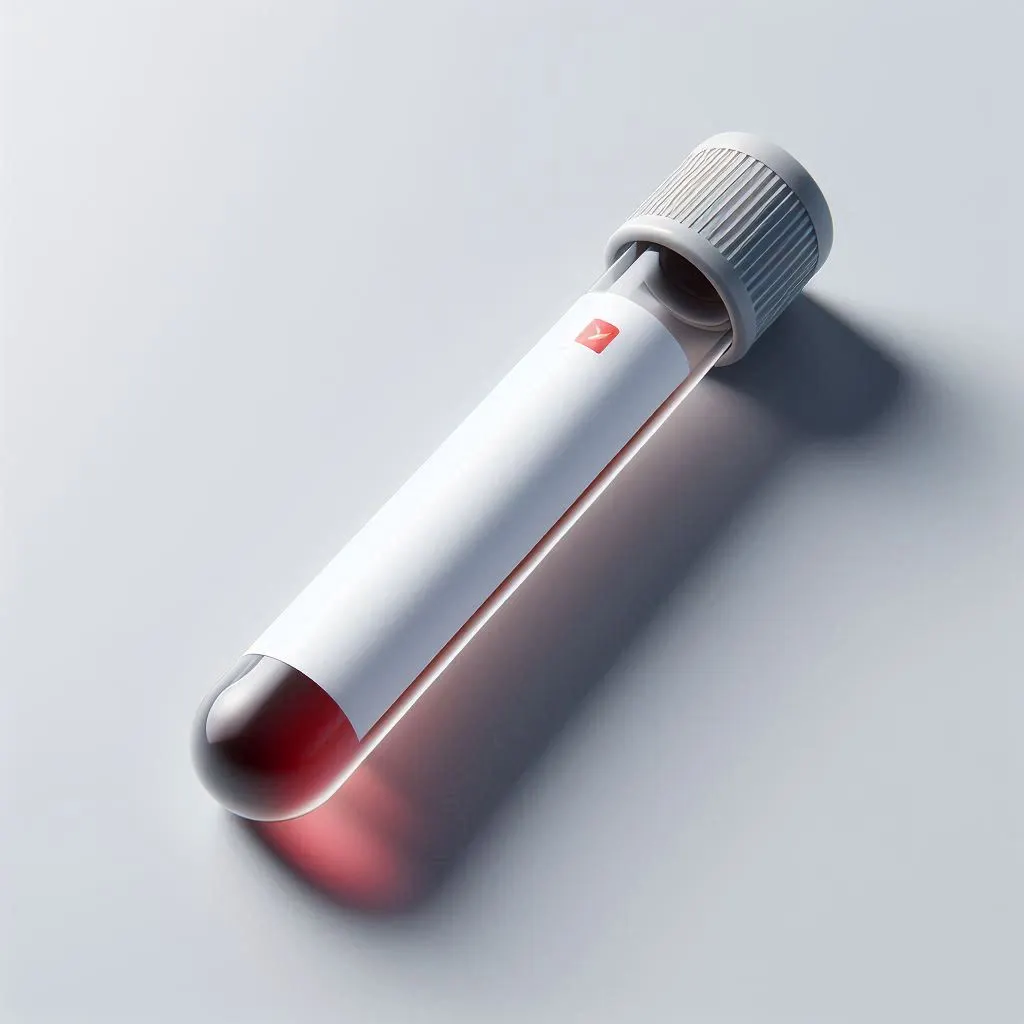
Tubes Required
Serum (red cap)
EDTA (purple cap)
Heparin (green cap, for ICP-MS elements)
Preparation
Fasting recommended (8–12 hours)
Water allowed
Avoid vitamin supplements for 48–72 hours prior to testing
Turnaround Time
Approximately 5–7 working days after sample arrival at the laboratory.
Upgrade Your Insight
For deeper functional insight, consider:
Advanced Longevity Panel
Includes:
Organic acids (mitochondrial function)
Amino acids
Fatty acids
Oxidative stress markers
Adrenal function
Includes:
Organic acids (mitochondrial function)
Amino acids
Fatty acids
Oxidative stress markers
Adrenal function
Understand Your Health at a Deeper Level
This panel provides a comprehensive view of the nutritional, metabolic, and hormonal factors that influence long-term health.
This panel provides a comprehensive view of the nutritional, metabolic, and hormonal factors that influence long-term health.
Suitable for postal submission.
Need Help Choosing the Right Test?
If you are unsure whether this panel is the most suitable option for your situation. We will help you choose the most appropriate test based on your symptoms, health goals, and clinical context.
You may also contact us directly for guidance.
Additional information
| Weight | 0,5 kg |
|---|---|
| Dimensions | 25 × 16 × 2,5 cm |
| Sample Type |
Preparing for this test
WHL will send detailed collection, storage and return instructions with your test kit or appointment confirmation. Those test-specific instructions take priority.
Sample: Blood
Fasting: For adults, a 12-hour overnight fast is recommended; plain water only. Follow any different instructions from WHL.
For nutritional testing, pause non-prescribed supplements, including protein and amino-acid powders, for at least 48 hours unless WHL or your clinician advises otherwise. If monitoring supplements, agree the timing with your practitioner.
Do not stop prescribed medicines or prescribed supplements without advice from your treating clinician. Tell WHL about high-dose biotin; some tests need a longer pause. A short supplement pause does not remove all effects of long-term use.
If another test in the same order requires fasting, follow the combined instructions. Ask your clinician or WHL before fasting if you have diabetes, use glucose-lowering medicine, are pregnant, or are arranging testing for a child.
When to expect your results
Usually 3–10 days. This estimate starts when suitable samples reach the laboratory, not on the order or collection date. Shipping is additional. WHL will confirm any test-specific exception; a combined panel follows its slowest component.
Practical preparation tips
If fasting is requested, drink only plain water in your usual amounts. Do not have coffee, tea, juice, milk, energy drinks, sweets or chewing gum. Avoid smoking or vaping that morning. Book an early appointment and eat after collection.
For a planned blood test, avoid alcohol and unusually strenuous exercise for 24 hours, where practical, and sit quietly for about 15 minutes before collection. Tell WHL if you could not follow the preparation instructions.
Do not extend fasting or change prescribed medication on your own. Ask your clinician first if you have diabetes, need medicine with food, are pregnant, or are arranging testing for a child. WHL’s full test-specific instructions take priority.
Sources for this general preparation guidance
- Mayo Clinic Laboratories — plasma amino acids
- Mayo Clinic Laboratories — vitamin B6
- Mayo Clinic Laboratories — B12 and folate
- Mayo Clinic Laboratories — vitamins A and E
- Mayo Clinic Laboratories — iron studies
- NHS — fasting blood tests
- EAS/EFLM — fasting and non-fasting lipids
- EFLM/COLABIOCLI — preparation for blood collection
Other laboratories’ methods and preparation rules can differ. These sources support the general advice; WHL confirms the instructions for the method used for your test.