

No products in the cart.
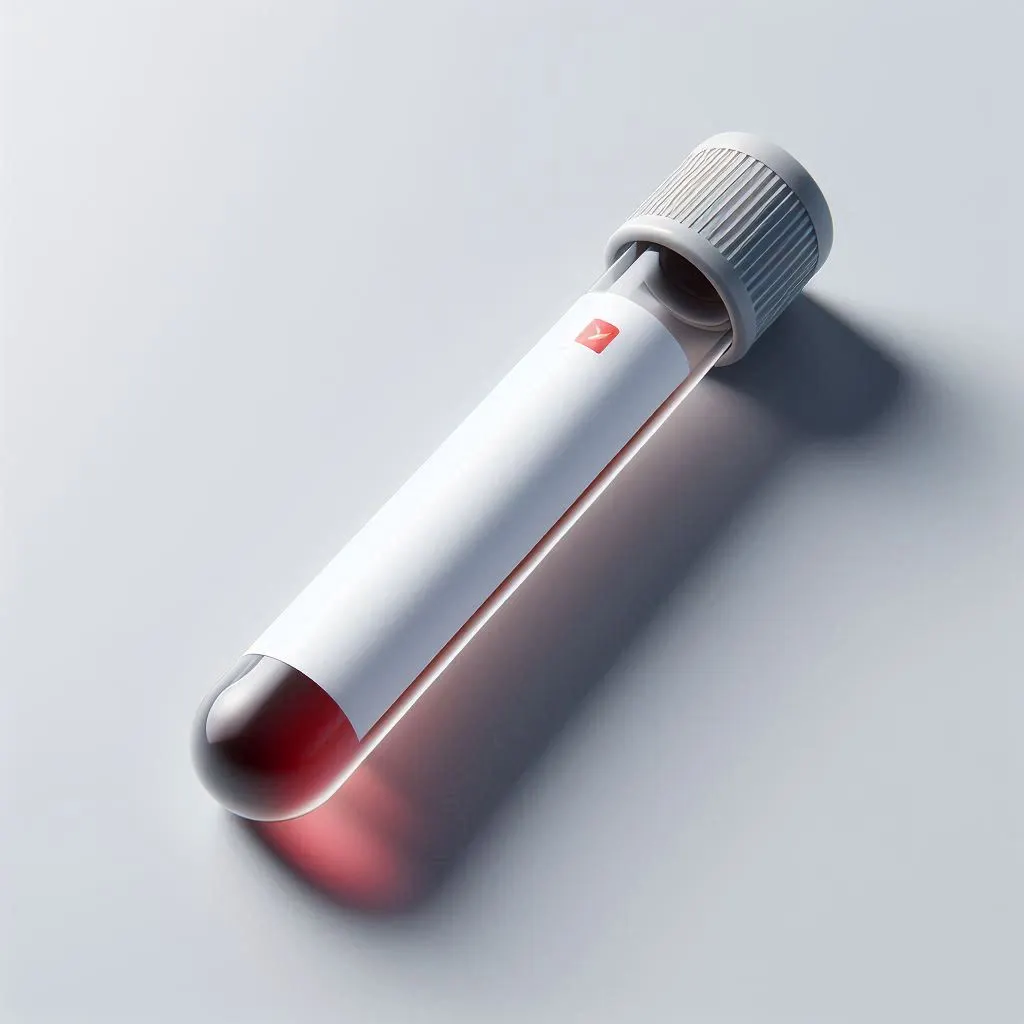
Oxidative Stress Profile
€ 99,00
Targeted assessment of oxidative DNA and lipid damage using 8-OHdG and lipid peroxides.
Your test at a glance
- Sample
- Blood, Urine
- Results from receipt
- Usually 3–10 days
- Fasting
- Check your WHL instructions before collection
Timing starts when suitable samples arrive at the laboratory. Shipping time is additional. Combined panels may take longer.
WHL will send the full test instructions with your kit or appointment confirmation. Follow these before collecting.
Preparation and important notesOne charge per request. Processing and handling is charged once for the complete request, not for each test or panel. Collection and delivery charges are shown separately at checkout.
Description
Overview
The Oxidative Stress Profile is designed to evaluate biochemical evidence of oxidative damage at the cellular level.
Oxidative stress reflects an imbalance between free radical production and antioxidant defence. When persistent, it may contribute to cellular dysfunction, inflammation, fatigue, accelerated aging, and increased chronic disease risk.
This profile combines two clinically relevant markers to assess oxidative damage affecting both DNA and lipids, providing a focused overview of oxidative burden.
What Does This Panel Assess?
1. Oxidative DNA Damage
Evaluation of DNA oxidative stress and cellular injury associated with free radical burden
2. Lipid Peroxidation
Assessment of oxidative damage to lipids and cell membranes
3. Biological Stress Burden
Functional insight into oxidative processes that may affect recovery, resilience, and long-term health
Included Tests
| 8-OHdG | 8-Hydroxy-2′-deoxyguanosine (8-OHdG) Focus: Marker of oxidative DNA damage and cellular stress |
| Lipid Peroxides | Measurement of oxidative damage to lipids and cellular membranes Focus: Lipid peroxidation, membrane stress, and oxidative burden |
Why This Panel Is Clinically Valuable
This profile provides a focused assessment of oxidative damage affecting two important biological targets: DNA and lipids.
In clinical practice, it may help identify:
- Elevated oxidative stress burden
- Cellular damage associated with chronic inflammation
- Oxidative processes linked to fatigue, poor recovery, and stress intolerance
- Increased biochemical stress associated with aging and environmental exposures
Who Is This Test Suitable For?
- Individuals with fatigue or reduced resilience
- Patients with chronic stress or inflammatory burden
- Preventive and longevity-focused health assessment
- People seeking oxidative stress evaluation as a stand-alone test or add-on
Sample Type and Preparation
Sample Type
Urine and Blood
Preparation
Follow the sample collection instructions provided with the kit.
Avoid unnecessary supplements unless otherwise advised before collection.
Turnaround Time
Approximately 7-10 working days after sample arrival at the laboratory.
Optional Add-On
For broader functional insight, this profile may be combined with:
- Organic Acids
Assess Oxidative Damage Clearly
This profile provides a practical overview of oxidative DNA and lipid damage relevant to long-term health and recovery.
This profile provides a practical overview of oxidative DNA and lipid damage relevant to long-term health and recovery.
Order Now
Suitable for postal submission.
Suitable for postal submission.
Preparing for this test
WHL will send detailed collection, storage and return instructions with your test kit or appointment confirmation. Those test-specific instructions take priority.
Sample: Blood, Urine
Fasting: Check your WHL instructions before collection
The collection time, container and storage depend on the test. Follow your WHL kit; do not switch between a spot sample and a 24-hour collection.
Do not stop prescribed medicines or prescribed supplements without advice from your treating clinician. Tell WHL about high-dose biotin; some tests need a longer pause. A short supplement pause does not remove all effects of long-term use.
If another test in the same order requires fasting, follow the combined instructions. Ask your clinician or WHL before fasting if you have diabetes, use glucose-lowering medicine, are pregnant, or are arranging testing for a child.
When to expect your results
Usually 3–10 days. This estimate starts when suitable samples reach the laboratory, not on the order or collection date. Shipping is additional. WHL will confirm any test-specific exception; a combined panel follows its slowest component.
Practical preparation tips
If fasting is requested, drink only plain water in your usual amounts. Do not have coffee, tea, juice, milk, energy drinks, sweets or chewing gum. Avoid smoking or vaping that morning. Book an early appointment and eat after collection.
For a planned blood test, avoid alcohol and unusually strenuous exercise for 24 hours, where practical, and sit quietly for about 15 minutes before collection. Tell WHL if you could not follow the preparation instructions.
Do not extend fasting or change prescribed medication on your own. Ask your clinician first if you have diabetes, need medicine with food, are pregnant, or are arranging testing for a child. WHL’s full test-specific instructions take priority.
Sources for this general preparation guidance
- Mayo Clinic Laboratories — plasma amino acids
- Mayo Clinic Laboratories — vitamin B6
- Mayo Clinic Laboratories — B12 and folate
- Mayo Clinic Laboratories — vitamins A and E
- Mayo Clinic Laboratories — iron studies
- NHS — fasting blood tests
- EAS/EFLM — fasting and non-fasting lipids
- EFLM/COLABIOCLI — preparation for blood collection
Other laboratories’ methods and preparation rules can differ. These sources support the general advice; WHL confirms the instructions for the method used for your test.