




Total:€ 4.303,00
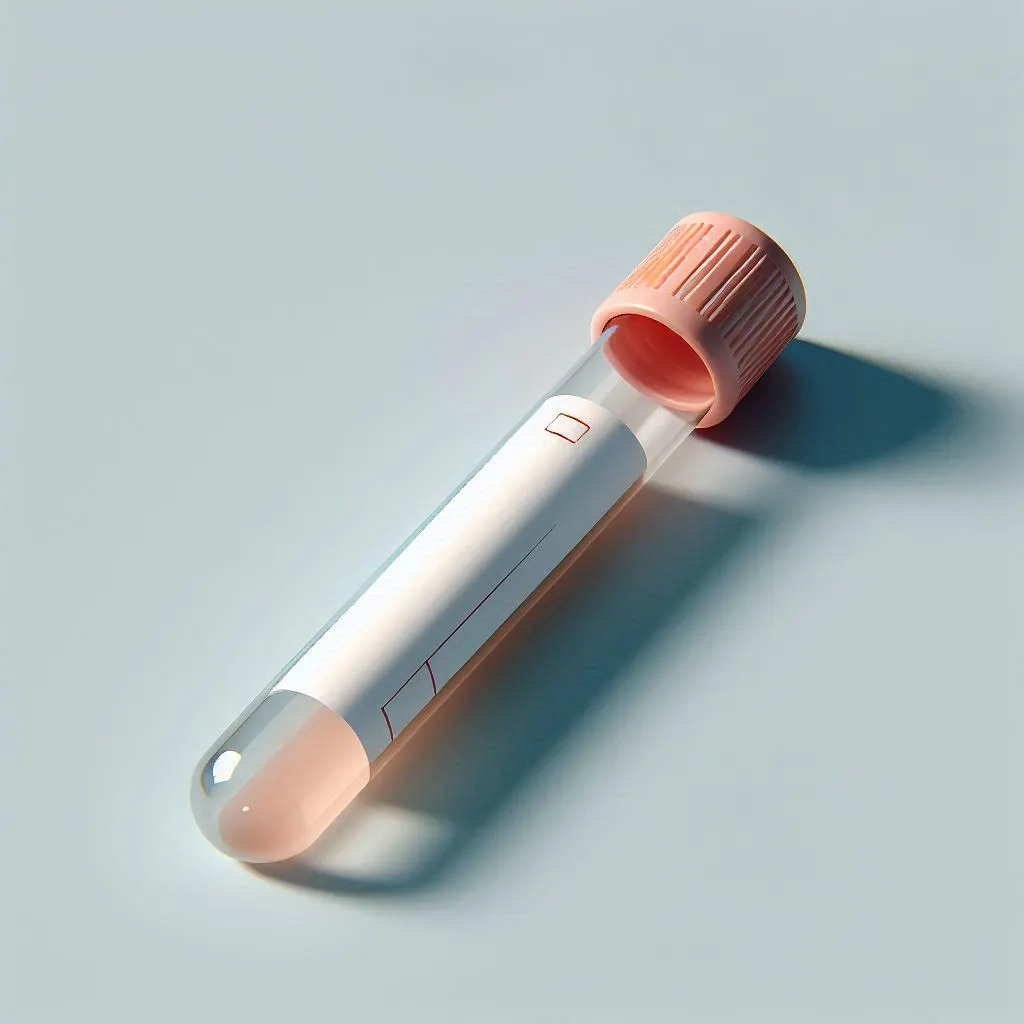
Comprehensive Adrenal Function Profile (Saliva)
€ 179,00
A comprehensive salivary hormone and immune-stress profile assessing circadian cortisol rhythm, adrenal reserve (DHEA), and mucosal immune function (secretory IgA).
Your test at a glance
- Sample
- Saliva
- Results from receipt
- Usually 3–10 days
- Fasting
- An overnight fast is usually not needed. Follow the kit’s food, drink and collection-timing instructions.
Timing starts when suitable samples arrive at the laboratory. Shipping time is additional. Combined panels may take longer.
WHL will send the full test instructions with your kit or appointment confirmation. Follow these before collecting.
Preparation and important notesOne charge per request. Processing and handling is charged once for the complete request, not for each test or panel. Collection and delivery charges are shown separately at checkout.
Description
Why This Test Is Important
The body’s response to stress is regulated by the hypothalamic–pituitary–adrenal (HPA) axis, which closely interacts with the immune system and circadian rhythm.
This profile goes beyond measuring cortisol alone by combining:
- Four-point cortisol rhythm (diurnal pattern)
- DHEA (adrenal reserve and stress adaptation hormone)
- Secretory IgA (sIgA) – a key marker of immune function and chronic stress burden
Together, these markers provide an integrated view of:
- Stress physiology
- Energy regulation
- Sleep–wake rhythm
- Immune resilience
This makes the test especially valuable in patients with long-standing stress-related and inflammatory conditions.
What This Profile Measures
1. Cortisol (4 time points)
Cortisol should be highest approximately 30 minutes after waking and gradually decline throughout the day, reaching its lowest level at night.
Abnormal patterns may include:
- Elevated evening cortisol (associated with insomnia and nervous system overdrive)
- Low morning cortisol (fatigue, difficulty waking)
- Flattened rhythm (chronic stress adaptation)
These patterns help identify dysfunction in adrenal and circadian regulation.
2. DHEA (saliva)
DHEA is an adrenal hormone involved in:
- Stress resilience
- Immune modulation
- Energy metabolism
- Healthy aging
DHEA naturally declines with age, but abnormal levels may indicate:
- Chronic stress burden
- Reduced adrenal reserve
- Imbalance between catabolic (cortisol) and anabolic (DHEA) pathways
3. Secretory IgA (sIgA) – Immune Stress Marker
Secretory IgA is the main antibody of mucosal immunity and plays a critical role in:
- Gut barrier protection
- Respiratory immune defense
- Oral and upper airway immunity
Salivary sIgA reflects the interaction between:
- The immune system
- The gut-associated lymphoid tissue (GALT)
- The HPA axis (stress regulation)
Clinical interpretation of sIgA:
Elevated sIgA may indicate:
- Acute immune or inflammatory activation
- Psychological or physical stress response
- Ongoing infections or inflammatory stimulation
- Smoking, alcohol overuse, or oropharyngeal pathology
Low sIgA may indicate:
- Chronic stress and immune exhaustion
- Suppressed mucosal immunity
- Increased susceptibility to infections
- Allergies and chronic inflammatory skin or respiratory conditions
- Long-standing gastrointestinal disorders
Persistently low sIgA is commonly seen in individuals who “cannot recover” from immune challenges and may explain:
- recurrent infections
- chronic allergies
- chronic fatigue
- poor stress tolerance
Thus, sIgA adds a critical immune dimension to adrenal testing that cortisol alone cannot provide.
When Is This Test Clinically Useful?
This profile is particularly relevant in patients with:
- Chronic stress or burnout
- Fatigue and low stamina
- Insomnia or disturbed sleep
- Anxiety or depression
- Nervousness and irritability
- Salt or sugar cravings
- Dizziness or headaches
- Chronic inflammatory or autoimmune conditions
- Recurrent infections
- Gastrointestinal complaints linked to stress
- Long-term illness with immune dysregulation
Clinical Value of the Combined Markers
By integrating cortisol, DHEA, and sIgA, this profile helps assess:
- HPA-axis regulation
- Circadian rhythm integrity
- Adrenal reserve
- Immune resilience
- Stress–immune interaction
- Risk of immune exhaustion
This allows clinicians to distinguish between:
- acute stress activation
- chronic stress adaptation
- immune suppression
- inflammatory activation
and to guide more targeted therapeutic strategies.
Sample Collection
Sample Type: Saliva
Collection Method:
Participants collect their own saliva samples at home at prescribed times, following detailed instructions included in the kit. This non-invasive method reflects biologically active cortisol levels throughout the day without the stress artifact of clinic draws.
Return & Processing:
Samples are shipped back to World Health Laboratories with pre-paid courier labels (where available) or via international shipment as arranged.
- Includes: Cortisol levels measured at different times of the day
- Sample requirement: Saliva collected at specific times
Suitable for postal submission.
Additional information
| Weight | 0,5 kg |
|---|---|
| Dimensions | 25 × 16 × 2,5 cm |
| Sample Type |
Preparing for this test
WHL will send detailed collection, storage and return instructions with your test kit or appointment confirmation. Those test-specific instructions take priority.
Sample: Saliva
Fasting: An overnight fast is usually not needed. Follow the kit’s food, drink and collection-timing instructions.
Collect at the times stated in your kit. Follow the instructions about food, drink, smoking and toothbrushing before each sample.
Do not stop prescribed medicines or prescribed supplements without advice from your treating clinician. Tell WHL about high-dose biotin; some tests need a longer pause. A short supplement pause does not remove all effects of long-term use.
If another test in the same order requires fasting, follow the combined instructions. Ask your clinician or WHL before fasting if you have diabetes, use glucose-lowering medicine, are pregnant, or are arranging testing for a child.
When to expect your results
Usually 3–10 days. This estimate starts when suitable samples reach the laboratory, not on the order or collection date. Shipping is additional. WHL will confirm any test-specific exception; a combined panel follows its slowest component.
Practical preparation tips
If fasting is requested, drink only plain water in your usual amounts. Do not have coffee, tea, juice, milk, energy drinks, sweets or chewing gum. Avoid smoking or vaping that morning. Book an early appointment and eat after collection.
For a planned blood test, avoid alcohol and unusually strenuous exercise for 24 hours, where practical, and sit quietly for about 15 minutes before collection. Tell WHL if you could not follow the preparation instructions.
Do not extend fasting or change prescribed medication on your own. Ask your clinician first if you have diabetes, need medicine with food, are pregnant, or are arranging testing for a child. WHL’s full test-specific instructions take priority.
Sources for this general preparation guidance
- Mayo Clinic Laboratories — plasma amino acids
- Mayo Clinic Laboratories — vitamin B6
- Mayo Clinic Laboratories — B12 and folate
- Mayo Clinic Laboratories — vitamins A and E
- Mayo Clinic Laboratories — iron studies
- NHS — fasting blood tests
- EAS/EFLM — fasting and non-fasting lipids
- EFLM/COLABIOCLI — preparation for blood collection
Other laboratories’ methods and preparation rules can differ. These sources support the general advice; WHL confirms the instructions for the method used for your test.