

No products in the cart.
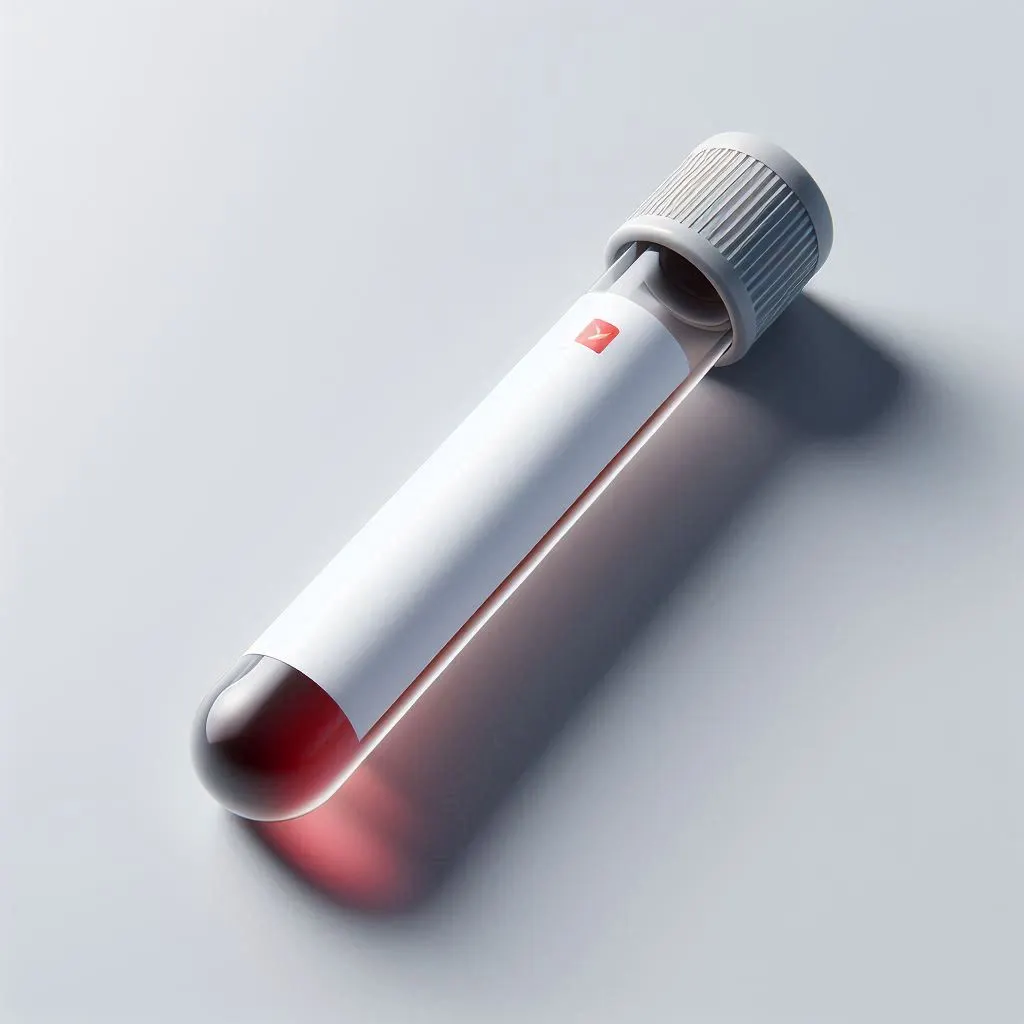
Vitamin Panel 15
€ 289,00
Advanced Clinical Vitamin & Antioxidant Assessment
Your test at a glance
- Sample
- Blood
- Results from receipt
- Usually 3–10 days
- Fasting
- Check your WHL instructions before collection
Timing starts when suitable samples arrive at the laboratory. Shipping time is additional. Combined panels may take longer.
Preparation: Pause non-prescribed nutritional supplements for at least 48 hours, unless WHL or your clinician advises otherwise.
WHL will send the full test instructions with your kit or appointment confirmation. Follow these before collecting.
Preparation and important notesOne charge per request. Processing and handling is charged once for the complete request, not for each test or panel. Collection and delivery charges are shown separately at checkout.
Description
Optimal vitamin status is fundamental for energy production, immune resilience, hormonal balance, neurological performance and cellular protection. Many people develop deficiencies or functional blocks without noticing it until symptoms appear — fatigue, lowered immunity, mood changes, inflammation, reduced recovery, or poor metabolic adaptation.
The Vitamin Panel 15 is one of the most comprehensive vitamin assessments available. It evaluates all major vitamins, their active co-enzyme forms, and a spectrum of antioxidants and carotenoids, providing a complete biochemical picture that is far beyond what standard GP tests can offer.
This panel is particularly valuable for individuals wanting a precise analysis of their nutritional status, for clinical monitoring, or as part of a broader functional assessment.
What This Panel Measures (Detailed Overview)
1. Fat-Soluble Vitamins
These nutrients depend on proper fat absorption, liver function, and bile flow. They are commonly low in individuals with digestive issues, restrictive diets, or chronic inflammation.
- Vitamin A (Retinol)
Essential for immune defense, skin regeneration, mucosal protection, vision, and epithelial repair.
Deficiency is often linked to low stomach acid, poor fat absorption, or chronic infections. - Vitamin D (25-OH D3)
Crucial for immune modulation, bone density, hormone balance, mitochondrial function, mood regulation, and inflammation control. - Vitamin E (α-, β-, γ-, δ-tocopherols & tocotrienols)
A full spectrum assessment — rare in most labs.
These markers reflect protection against lipid peroxidation, oxidative stress, cardiovascular risk, and chronic inflammation. - Vitamin K1 and K2 (MK-4, MK-7, MK-8, MK-9)
Important for calcium metabolism, arterial flexibility, coagulation, bone health, and reducing vascular calcification.
2. Water-Soluble Vitamins & Active Coenzymes
- Vitamin B1 (Thiamine + TPP/TMP)
Assessed in multiple forms — essential for mitochondrial function, cognitive performance, carbohydrate metabolism, and stress resilience.
Deficiency can mimic anxiety, fatigue, or neurological symptoms.
- Vitamin B2 (Riboflavin, FAD)
Key cofactor for methylation, detoxification (MAO, Aldehyde oxidase), and redox balance.
- Vitamin B3 Family (Niacin, NAD, nicotinic acid, niacinamide)
We measure total NAD activity.
Central for energy production, DNA repair, neuroprotection, and metabolic regulation.
- Vitamin B5 (Pantothenic Acid)
Critical for adrenal function, stress hormones, CoA production, and fatty acid metabolism.
- Vitamin B6 Complex (P5P, PA ratio, pyridoxal, pyridoxine)
We include active P-5-P and the PAr ratio — highly sensitive for detecting functional B6 deficiency.
Influences neurotransmitters, sleep regulation, methylation, transsulfuration (CBS), and estrogen detoxification.
- Vitamin B7 (Biotin)
Important for glucose metabolism, hair/skin/nails, and gene regulation.
- Vitamin B9 (Folate / B11)
Measured via immunological method.
Essential for methylation, DNA synthesis, fertility, pregnancy health, and cardiovascular protection.
- Vitamin B12
Crucial for neurological integrity, energy levels, methylation, mood balance, and red blood cell formation.
3. Antioxidants & Carotenoids (Extensive Panel)
This section reflects oxidative stress exposure, antioxidant reserves, and dietary phytonutrient intake.
- Lutein & zeaxanthin – brain and eye health
- α-carotene, β-carotene – cellular antioxidant defense
- β-cryptoxanthin – immune & metabolic health
- Lycopene spectrum (α & β forms) – cardiovascular and prostate protection
- Total carotenoid pool – dietary phytonutrient sufficiency
Low carotenoids often correlate with inflammation, stress, low fruit/vegetable intake, and poor absorption.
4. Coenzyme Q10
We measure CoQ10 using a precise LC-MS/MS method.
This nutrient is essential for mitochondrial ATP production, heart health, endurance, and antioxidant defense.
5. Carnitine Profile (Free, Acyl & Total Carnitine)
A direct measure of fatty-acid transport into mitochondria.
Low levels are common in fatigue, metabolic dysfunction, long-term vegan diets, or chronic illness.
When is this test recommended?
This panel is ideal if you experience:
- Chronic fatigue, low energy, poor stamina
- Burnout, stress intolerance, mood imbalances
- Immune weakness or recurrent infections
- Brain fog, poor concentration, memory issues
- Digestive problems or malabsorption
- Hair loss, skin problems, slow wound healing
- Muscular weakness or poor exercise recovery
- Low-nutrient diet (vegan, vegetarian, restrictive diets)
It is also excellent for:
- Athletes
- People with chronic inflammation
- Preconception / fertility planning
- Monitoring supplementation
- Complex chronic health cases
How the Test Works
Sample type: blood
Collection options:
- at WHL Bunnik
- or via kit at a nearby PMO phlebotomy point
Preparation:
Stop all vitamin supplements 48 hours before testing (unless instructed otherwise).
Normal meals and drinking water are allowed.
Turnaround time:
Approx. 10–14 working days after the sample arrives in the lab.
What You Will Receive
- A detailed laboratory report with reference ranges
- A functional interpretation of deficiencies and excesses
- Optional consultation to translate results into a personalised supplement and nutrition plan
This is one of the most complete vitamin and antioxidant profiles available in Europe and provides a powerful foundation for personalised health optimisation.
- Suitable for postal submission.
Additional information
| Weight | 0,5 kg |
|---|---|
| Dimensions | 25 × 16 × 2,5 cm |
| Sample Type |
Preparing for this test
WHL will send detailed collection, storage and return instructions with your test kit or appointment confirmation. Those test-specific instructions take priority.
Sample: Blood
Fasting: Check your WHL instructions before collection
For nutritional testing, pause non-prescribed supplements, including protein and amino-acid powders, for at least 48 hours unless WHL or your clinician advises otherwise. If monitoring supplements, agree the timing with your practitioner.
Do not stop prescribed medicines or prescribed supplements without advice from your treating clinician. Tell WHL about high-dose biotin; some tests need a longer pause. A short supplement pause does not remove all effects of long-term use.
If another test in the same order requires fasting, follow the combined instructions. Ask your clinician or WHL before fasting if you have diabetes, use glucose-lowering medicine, are pregnant, or are arranging testing for a child.
When to expect your results
Usually 3–10 days. This estimate starts when suitable samples reach the laboratory, not on the order or collection date. Shipping is additional. WHL will confirm any test-specific exception; a combined panel follows its slowest component.
Practical preparation tips
If fasting is requested, drink only plain water in your usual amounts. Do not have coffee, tea, juice, milk, energy drinks, sweets or chewing gum. Avoid smoking or vaping that morning. Book an early appointment and eat after collection.
For a planned blood test, avoid alcohol and unusually strenuous exercise for 24 hours, where practical, and sit quietly for about 15 minutes before collection. Tell WHL if you could not follow the preparation instructions.
Do not extend fasting or change prescribed medication on your own. Ask your clinician first if you have diabetes, need medicine with food, are pregnant, or are arranging testing for a child. WHL’s full test-specific instructions take priority.
Sources for this general preparation guidance
- Mayo Clinic Laboratories — plasma amino acids
- Mayo Clinic Laboratories — vitamin B6
- Mayo Clinic Laboratories — B12 and folate
- Mayo Clinic Laboratories — vitamins A and E
- Mayo Clinic Laboratories — iron studies
- NHS — fasting blood tests
- EAS/EFLM — fasting and non-fasting lipids
- EFLM/COLABIOCLI — preparation for blood collection
Other laboratories’ methods and preparation rules can differ. These sources support the general advice; WHL confirms the instructions for the method used for your test.