

No products in the cart.
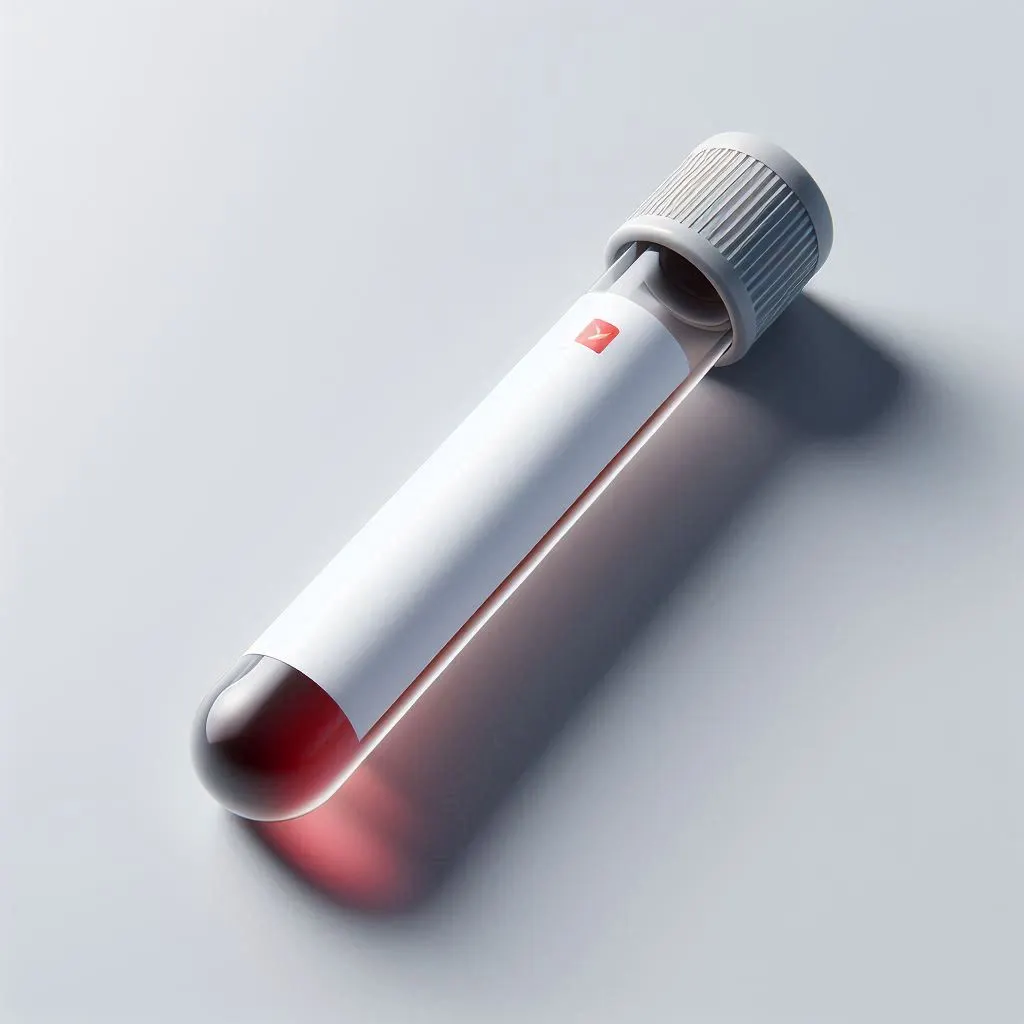
Persistent Organochlorine Panel – Blood
€ 119,00
A blood-based panel assessing long-term body burden of persistent organochlorine pesticides that bioaccumulate in fat tissue and are associated with endocrine, neurological, and metabolic disruption.
Your test at a glance
- Sample
- Blood
- Results from receipt
- Usually 3–10 days
- Fasting
- Check your WHL instructions before collection
Timing starts when suitable samples arrive at the laboratory. Shipping time is additional. Combined panels may take longer.
WHL will send the full test instructions with your kit or appointment confirmation. Follow these before collecting.
Preparation and important notesOne charge per request. Processing and handling is charged once for the complete request, not for each test or panel. Collection and delivery charges are shown separately at checkout.
Description
Why blood is appropriate for this panel
Persistent organochlorine pesticides are:
- Highly lipophilic
- Slowly eliminated
- Stored in adipose tissue
- Detectable in serum over long periods
This makes blood (serum) a valid and clinically meaningful matrix, unlike modern pesticides which require urine testing.
Analytes included
Persistent organochlorine pesticides
- Pentachlorophenol (PCP)
- Lindane (γ-HCH)
- DDT
- DDE (primary DDT metabolite)
- Hexachlorobenzene (HCB)
These compounds are classified as persistent organic pollutants (POPs) and are subject to international restriction, yet remain detectable due to historical and environmental exposure.
Why these compounds matter clinically
Biological effects
Persistent organochlorines are associated with:
- Endocrine disruption (thyroid, estrogen, androgen signaling)
- Neurotoxicity and cognitive effects
- Immune dysregulation
- Metabolic disturbances
- Mitochondrial and oxidative stress
Common exposure sources
- Historical agricultural pesticide use
- Contaminated soil and dust
- Imported foods
- Fatty animal products
- Old treated wood, paints, and building materials
Sample & methodology
- Sample: Serum (venous blood)
- Method: GC-MS / GC-MS/MS
- Turnaround time: Approximately 10–15 working days
- Fasting sample: Recommended
Suitable for postal submission.
Additional information
| Weight | 0,5 kg |
|---|---|
| Dimensions | 16 × 2,5 cm |
| Sample Type |
Preparing for this test
WHL will send detailed collection, storage and return instructions with your test kit or appointment confirmation. Those test-specific instructions take priority.
Sample: Blood
Fasting: Check your WHL instructions before collection
Do not stop prescribed medicines or prescribed supplements without advice from your treating clinician. Tell WHL about high-dose biotin; some tests need a longer pause. A short supplement pause does not remove all effects of long-term use.
If another test in the same order requires fasting, follow the combined instructions. Ask your clinician or WHL before fasting if you have diabetes, use glucose-lowering medicine, are pregnant, or are arranging testing for a child.
When to expect your results
Usually 3–10 days. This estimate starts when suitable samples reach the laboratory, not on the order or collection date. Shipping is additional. WHL will confirm any test-specific exception; a combined panel follows its slowest component.
Practical preparation tips
If fasting is requested, drink only plain water in your usual amounts. Do not have coffee, tea, juice, milk, energy drinks, sweets or chewing gum. Avoid smoking or vaping that morning. Book an early appointment and eat after collection.
For a planned blood test, avoid alcohol and unusually strenuous exercise for 24 hours, where practical, and sit quietly for about 15 minutes before collection. Tell WHL if you could not follow the preparation instructions.
Do not extend fasting or change prescribed medication on your own. Ask your clinician first if you have diabetes, need medicine with food, are pregnant, or are arranging testing for a child. WHL’s full test-specific instructions take priority.
Sources for this general preparation guidance
- Mayo Clinic Laboratories — plasma amino acids
- Mayo Clinic Laboratories — vitamin B6
- Mayo Clinic Laboratories — B12 and folate
- Mayo Clinic Laboratories — vitamins A and E
- Mayo Clinic Laboratories — iron studies
- NHS — fasting blood tests
- EAS/EFLM — fasting and non-fasting lipids
- EFLM/COLABIOCLI — preparation for blood collection
Other laboratories’ methods and preparation rules can differ. These sources support the general advice; WHL confirms the instructions for the method used for your test.