

Total:€ 80,00
Sale

Plasma Neurotransmitter Profile at Home
Original price was: € 159,00.€ 139,00Current price is: € 139,00.
Measure dopamine, epinephrine, norepinephrine, GABA and serotonin in plasma from home. This five-marker profile provides information about peripheral catecholamine activity, autonomic stress signalling and circulating neurochemical patterns.
Beschrijving
Explore Your Peripheral Neurochemical Pattern
Measure dopamine, epinephrine, norepinephrine, GABA and serotonin
in plasma with one convenient home collection.
The profile provides information about circulating catecholamines, autonomic
stress signalling and peripheral neurochemical metabolism.
Five markers: Dopamine, epinephrine, norepinephrine,
GABA and serotonin
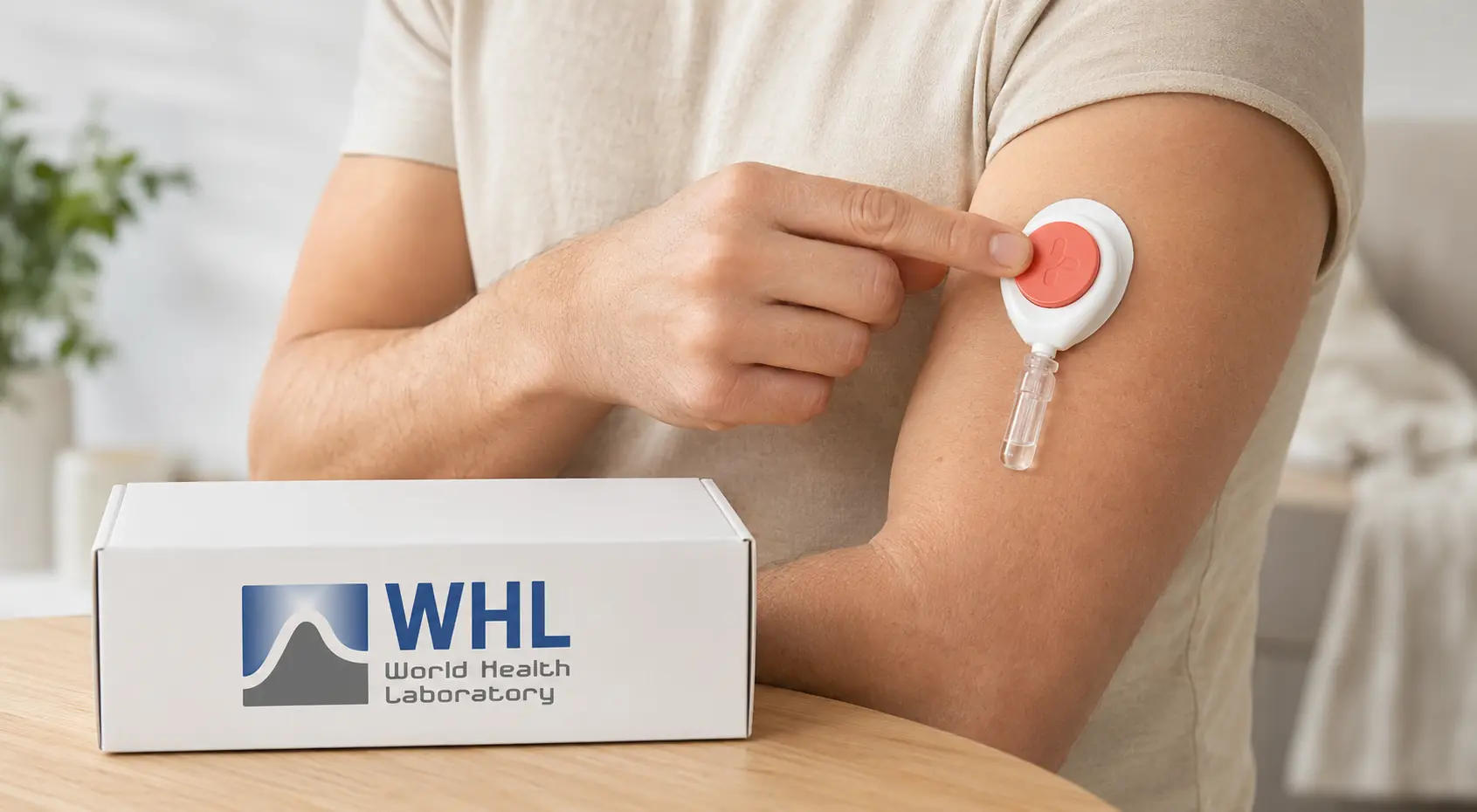
Collection: Tasso+ device included
Sample: Minimum 150 µL plasma
Preparation: Morning fasting collection after resting
Results: Typically within 5–7 working days after arrival
What Does This Test Measure?
Dopamine
A catecholamine involved in peripheral vascular, renal and autonomic physiology.
Plasma dopamine can also be influenced by stress, medication, diet and its
metabolic precursors.
Epinephrine – Adrenaline
Primarily released by the adrenal medulla during acute sympathetic activation.
It contributes to changes in heart rate, vascular tone and glucose mobilisation.
Norepinephrine – Noradrenaline
Released mainly from sympathetic nerve endings and involved in vascular tone,
alerting responses and autonomic regulation.
GABA – Gamma-aminobutyric acid
Participates in inhibitory signalling and peripheral metabolic pathways. Plasma
GABA should not be interpreted as a direct measure of GABA activity in the brain.
Serotonin
Most peripheral serotonin is associated with gastrointestinal production and
platelet handling. The result is strongly influenced by sample processing and
platelet contamination.
Why Measure These Markers Together?
Dopamine, epinephrine and norepinephrine share biochemical precursor pathways
and provide a connected view of peripheral catecholamine metabolism and sympathetic
activation.
Adding GABA and serotonin broadens the circulating neurochemical profile. Their
values should be interpreted as peripheral biochemical markers rather than direct
indicators of central nervous-system concentrations.
When Can This Test Be Useful?
- Assessment of peripheral catecholamine patterns
- Autonomic or stress-response evaluation
- Episodic palpitations, tremor or stress-related symptoms
- Monitoring a previously abnormal neurochemical profile
- Further evaluation alongside metabolic or hormone testing
- Practitioner-guided functional neurochemistry assessment
Simple Home Collection
1. Receive your kit
We deliver the complete Tasso+ collection kit and preparation instructions.
2. Prepare carefully
Fast overnight, follow the dietary instructions and rest quietly for 20–30
minutes before collection.
3. Collect from your upper arm
Place the Tasso+ device on your upper arm and press the button. A small blood
sample is collected automatically.
4. Return your sample
Pack and return the sample promptly according to the supplied temperature and
transport instructions.
Before Collection
Fast for 8–12 hours and collect in the morning. Water is allowed.
Avoid caffeine, nicotine, alcohol and strenuous exercise for 24 hours before
collection. Follow the enclosed instructions regarding foods that may influence
serotonin or catecholamine measurements.
Antidepressants, stimulants, decongestants, levodopa, blood-pressure medication
and other medicines may influence the results. Do not stop prescribed medication
without medical guidance; record all medication and supplements.
Sit quietly and rest for approximately 20–30 minutes before collection. Acute
stress, pain, posture and physical activity can substantially alter catecholamine levels.
Understanding Your Results
Your report provides all five concentrations together with measurement units
and laboratory reference intervals.
Peripheral plasma concentrations do not directly represent neurotransmitter
synthesis, release or receptor activity within the brain. The blood-brain barrier,
tissue metabolism and peripheral production limit that interpretation.
The results should not be used alone to diagnose depression, anxiety, ADHD or
another neurological or psychiatric condition.
This panel is also not a substitute for plasma-free metanephrines or another
validated diagnostic pathway when a catecholamine-secreting tumour is suspected.
Five circulating neurochemical markers in one connected profile.
Additional information
| Weight | 0,5 kg |
|---|---|
| Dimensions | 16 × 2,5 cm |
| Sample Type |