Total:€ 508,00
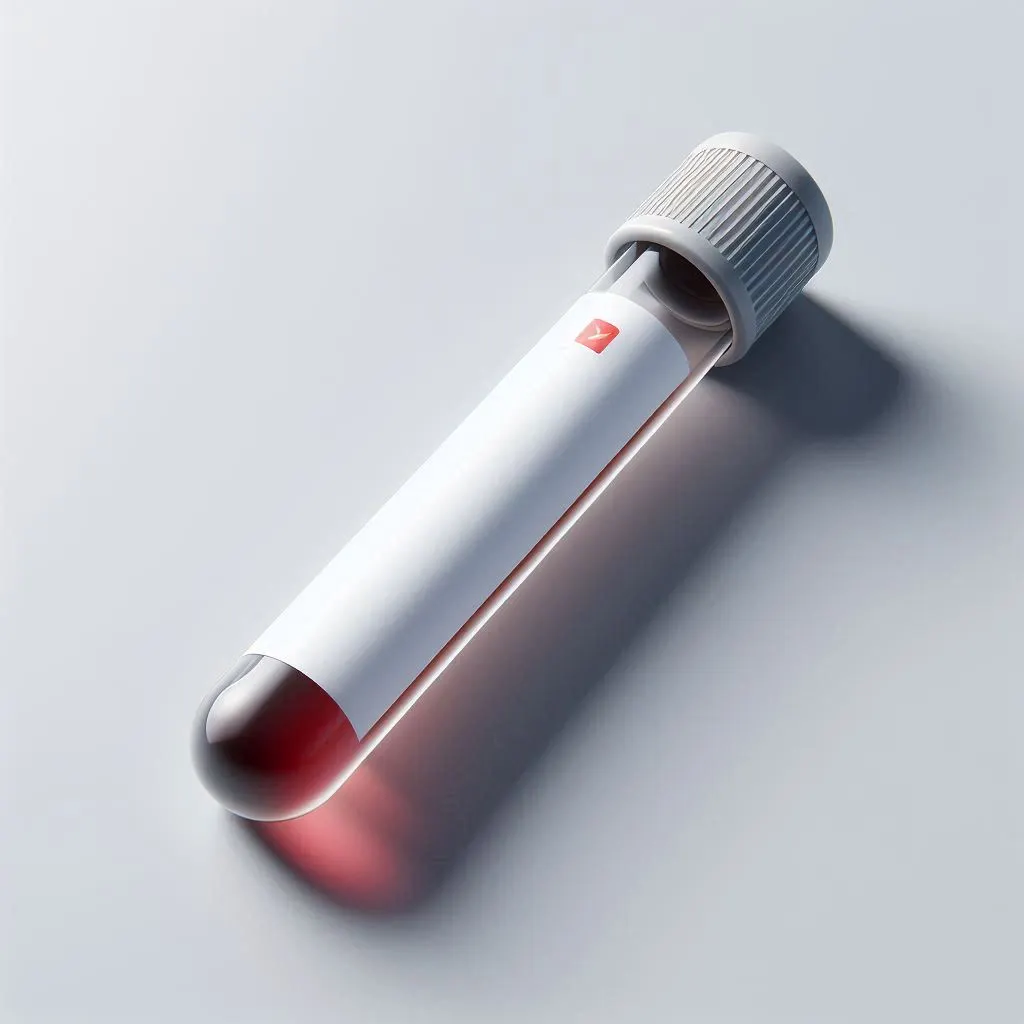
PFAS in Blood Exposure Panel
€ 169,00
This test measures 27 distinct per- and polyfluoroalkyl substances (PFAS) in serum, offering a comprehensive snapshot of your current body burden and cumulative exposure to these persistent and bioaccumulative environmental toxins.
Please note: the test price does not include the Tasso device for at-home blood collection.
Tasso device can be added to your order during checkout.
Beschrijving
Overview
Per- and polyfluoroalkyl substances (PFAS) are a group of persistent environmental chemicals known for their resistance to degradation. These “forever chemicals” bioaccumulate in human tissue and have been associated in scientific literature with multiple long-term health concerns.
The WHL PFAS in Serum Panel offers quantitative analysis of 27 individual PFAS compounds using high-sensitivity LC-MS/MS. This test supports environmental exposure assessment, biomonitoring, and long-term exposure monitoring.
When to Use This Test
This panel may be considered for:
- Individuals with suspected environmental or occupational exposure
- Assessment of environmental exposure in the context of immune, hormonal, or chronic health concerns
- Fertility, pregnancy, and developmental evaluations
- Individuals participating in exposure-reduction or environmental health monitoring programs
- Residents in PFAS-contaminated regions (e.g. firefighting foam zones, industrial runoff areas)
Clinical Relevance
Elevated PFAS levels have been associated in published research with:
- Thyroid dysfunction
- Testosterone and fertility abnormalities
- Immune system effects (including altered vaccine antibody response)
- Metabolic syndrome and obesity
- Neurodevelopmental concerns in children
- Increased risk associations involving kidney, liver, and testicular disease
Understanding PFAS Exposure
PFAS compounds are used in a wide range of industrial and consumer products, including non-stick cookware, water-resistant clothing, grease-proof food packaging, and firefighting foams. Human exposure may occur through:
- Contaminated drinking water or groundwater
- Ingestion of fish or produce grown in affected areas
- Use of PFAS-treated personal and household items
- Occupational exposure in industries handling fluorinated chemicals
Individuals living near military bases, airports, manufacturing sites, or areas with documented water contamination may carry significantly higher PFAS levels.
Limitations of the Test
This blood test does not identify the specific source or timing of PFAS exposure. It also does not predict the development of disease or establish a medical diagnosis. Rather, it is intended to:
- Quantify current PFAS body burden
- Support longitudinal biomonitoring
- Inform exposure-reduction and preventive health strategies
Like blood mercury or lead testing, PFAS panels are best interpreted in context, with support from a healthcare professional familiar with environmental medicine and toxicology.
How to Reduce PFAS Exposure
Though PFAS compounds can remain in the body for years, future accumulation can be minimized. Based on current environmental health guidance, we recommend:
- Water: Use certified filtration systems (e.g., reverse osmosis or activated carbon) shown to reduce PFAS exposure.
- Consumer choices: Avoid non-stick pans, stain-resistant furniture, and grease-resistant food packaging unless PFAS-free.
- Food: Limit high-fat meats and fish from contaminated regions. Choose fresh and minimally processed foods when possible.
- Workplace safety: If working in industries with PFAS exposure risk, follow protective equipment guidelines and safety protocols.
- Community awareness: Stay updated on local water testing reports and environmental alerts.
Take Control of Environmental Exposure
Testing for PFAS is an important step in understanding environmental exposure patterns and supporting informed preventive decisions. At World Health Laboratories, our LC-MS/MS methods provide precise and reproducible PFAS quantification across 27 compounds. Results may support individual exposure monitoring as well as broader population biomonitoring efforts.
If you or your patients are concerned about environmental exposure, this test offers analytical insight to support informed discussions regarding exposure reduction and long-term health monitoring.
Supporting Lifestyle and Preventive Strategies
Current scientific evidence does not support a universally established medical treatment for rapidly eliminating PFAS from the human body. The primary clinical focus remains exposure reduction, monitoring, and supportive preventive healthcare.
After identifying elevated exposure levels, general supportive approaches may include:
- Reducing ongoing environmental and dietary PFAS exposure
- Optimizing nutritional status and overall metabolic health
- Monitoring liver function, thyroid markers, oxidative stress, and related biomarkers when clinically appropriate
- Periodic follow-up testing to evaluate long-term exposure trends
General wellness approaches such as sauna use are sometimes incorporated into broader lifestyle programs, although no standardized medical PFAS elimination therapy has currently been established.
Why Choose WHL?
- 27-compound panel: one of the most comprehensive PFAS profiles available in Europe
- Ultra-sensitive detection via LC-MS/MS
- Methodology aligned with current biomonitoring research and environmental analytical standards
- Fast turnaround and full sample logistics support across Europe
Sample Type: Serum
Technology: LC-MS/MS (Liquid Chromatography-Tandem Mass Spectrometry)
Turnaround Time: 3–10 working days
Suitable for postal submission
Additional information
| Weight | ,5 kg |
|---|---|
| Dimensions | 25 × 16 × 3 cm |
| Sample Type |