Total:€ 50,00
Sale


Liver & Kidney Check at Home
Original price was: € 79,00.€ 69,00Current price is: € 69,00.
Assess liver-cell integrity, bile-related enzymes, protein synthesis, kidney filtration and uric-acid metabolism with ten connected results. The panel includes ALT, GGT, ALP, bilirubin, albumin, total protein, creatinine, urea, uric acid and calculated eGFR.
Beschrijving
Check Your Liver and Kidney Health From Home
Assess liver enzymes, protein synthesis, kidney filtration and uric-acid
metabolism with one convenient home blood collection.
The included Tasso+ device collects a small blood sample from your upper arm.
No finger prick, conventional blood draw or clinic appointment is required.
Liver: ALT, GGT, ALP, bilirubin, albumin and total protein
Kidney and metabolism: Creatinine, urea, uric acid
and calculated eGFR
Collection: Tasso+ device included
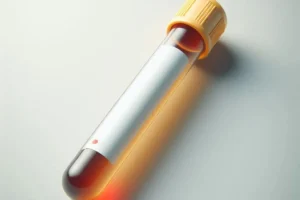
Sample: Minimum 200 µL serum
Results: Typically within 1–3 working days after arrival
Liver Markers
ALT – Alanine aminotransferase
An enzyme concentrated in liver cells. Increased activity may indicate
hepatocellular stress or injury.
GGT – Gamma-glutamyl transferase
A liver and biliary enzyme that may increase with cholestasis, alcohol exposure,
fatty liver or enzyme-inducing medication.
ALP – Alkaline phosphatase
An enzyme originating mainly from the liver, bile ducts and bone. Interpreting
ALP together with GGT helps assess whether an increase may be hepatobiliary.
Total bilirubin
A product of haem breakdown that is processed and excreted by the liver. It may
change with altered bilirubin production, conjugation or bile flow.
Albumin and total protein
Provide information about circulating proteins, longer-term liver synthetic
function, nutrition, hydration and inflammatory or immunological patterns.
Kidney and Metabolic Markers
Creatinine and eGFR
Creatinine is produced through muscle metabolism and cleared mainly by the kidneys.
Age and sex are used with creatinine to estimate glomerular filtration rate.
Urea
Produced by hepatic nitrogen metabolism and eliminated by the kidneys. Urea is
influenced by kidney filtration, hydration, dietary protein and protein catabolism.
Uric acid
The final product of purine metabolism. Its concentration reflects the balance
between production and renal or intestinal elimination.
Why Test Liver and Kidney Markers Together?
The liver processes nutrients, medications, hormones and metabolic waste, while
the kidneys regulate filtration, fluid balance and the elimination of many compounds.
Testing these systems together provides a broader assessment than one enzyme or
filtration marker alone and can identify patterns that may require further evaluation.
When Can This Test Be Useful?
- General liver and kidney health monitoring
- Long-term medication or supplement use
- Regular alcohol consumption
- Metabolic health or fatty-liver concerns
- Elevated uric acid or gout monitoring
- Monitoring a previously abnormal liver or kidney result
Simple Home Collection
1. Receive your kit
We deliver the complete Tasso+ collection kit directly to your home.
2. Collect from your upper arm
Place the device on your upper arm and press the button. A small blood sample
is collected automatically.
3. Refrigerate and return
Follow the enclosed temperature and return instructions carefully to maintain
sample quality.
4. Receive your report
Your markers are analyzed by an accredited laboratory. Results are typically
available within 1–3 working days after your sample arrives.
Before Collection
Fast for approximately eight hours before collection for standardized results.
Water is allowed, and normal hydration is recommended.
Avoid alcohol and unusually strenuous exercise for 24 hours before collection.
A large meat meal and creatine supplementation may temporarily influence creatinine,
urea or uric acid.
Do not stop prescribed medication without medical guidance. Record relevant
medication and supplements when completing your test information.
Understanding Your Results
Your report provides all measured markers, calculated eGFR, measurement units
and laboratory reference intervals.
An isolated abnormal liver enzyme does not identify its cause. ALP can originate
from bone as well as the liver, while GGT can help provide hepatobiliary context.
Creatinine-based eGFR is an estimate and may be less accurate during acute kidney
injury, pregnancy or in people with unusually high or low muscle mass.
This panel can identify biochemical patterns that may require clinical follow-up,
but it does not establish a diagnosis by itself.
Ten liver, kidney and metabolic results from one home collection.
Additional information
| Weight | 0,5 kg |
|---|---|
| Dimensions | 16 × 2,5 cm |
| Sample Type |