Total:€ 11,00
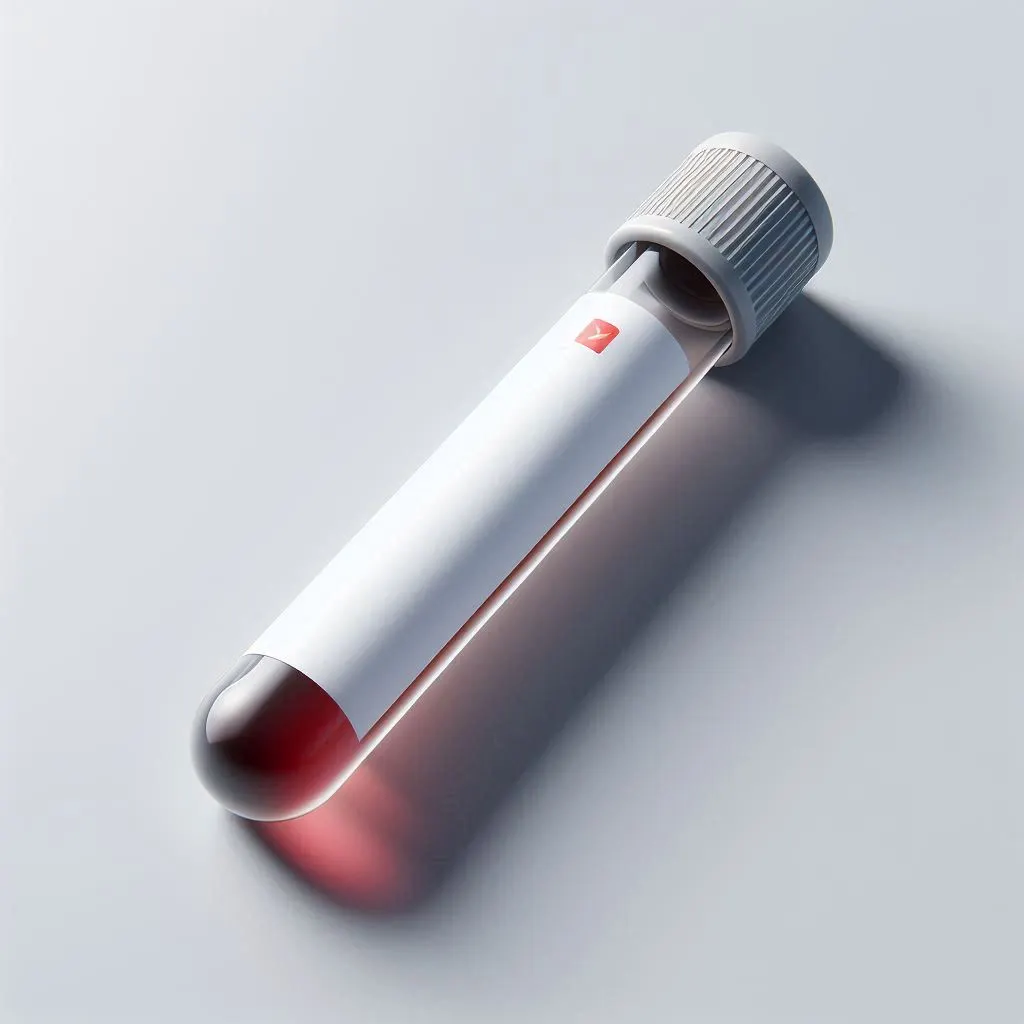
SAM/SAH (S-adenosylmethionine/S-adenosylhomocysteine)
€ 50,00
A targeted methylation profile measuring S-adenosylmethionine and S-adenosylhomocysteine in RBCs and/or plasma to assess methylation capacity, methyl donor balance, and related biochemical function.
Beschrijving
SAM / SAH Ratio – Methylation Balance Profile
The SAM / SAH Ratio – Methylation Balance Profile is an advanced functional biochemistry test designed to assess methylation capacity through the measurement of S-adenosylmethionine (SAM) and S-adenosylhomocysteine (SAH) in red blood cells (RBCs) and/or plasma.
This profile provides valuable insight into one of the body’s most important biochemical processes: methylation. Methylation plays a central role in neurotransmitter synthesis, detoxification, DNA regulation, phospholipid metabolism, cardiovascular health, and the recycling of homocysteine.
What does this test measure?
- S-Adenosylmethionine (SAM)
- S-Adenosylhomocysteine (SAH)
- SAM / SAH Ratio
Sample options
- RBCs and/or plasma
- Sample type depends on the requested analytical configuration and clinical indication
Why is the SAM / SAH ratio important?
SAM is the body’s principal methyl donor, while SAH is the metabolic product formed after methyl group transfer. The balance between these two compounds is highly informative, as an elevated SAH level may inhibit methylation reactions even if SAM itself appears adequate.
The SAM / SAH ratio is therefore considered a useful functional marker of methylation efficiency and cellular methylation potential.
Clinical relevance
This test may be useful in the evaluation of patients with suspected impaired methylation, disturbed one-carbon metabolism, elevated homocysteine-related biochemical imbalance, or functional nutrient insufficiency involving folate, vitamin B12, vitamin B6, riboflavin, choline, betaine, or methionine pathways.
It may also provide clinically relevant support in more complex cases involving fatigue, neurological symptoms, cognitive dysfunction, mood-related concerns, detoxification burden, cardiovascular risk patterns, and functional medicine investigations focused on methylation status.
When may this test be considered?
- Suspected methylation imbalance
- Elevated homocysteine or disturbed methionine cycle function
- Assessment of methyl donor status
- Investigation of functional folate or vitamin B12 pathway issues
- Supportive work-up in fatigue, cognitive, mood, or neurochemical cases
- Follow-up of targeted nutritional or methylation support strategies
RBC versus plasma analysis
RBC measurement may provide a more intracellular perspective and can be useful when a longer-term reflection of cellular methylation status is desired. Plasma measurement may be useful for assessing circulating levels and acute biochemical dynamics. In some cases, combined assessment may offer additional interpretive value.
Suggested complementary tests
- Homocysteine
- Folate metabolites
- Vitamin B12 and active B12 markers
- Vitamin B6
- Organic Acids Profile
- Amino Acids Profile
- Oxidative Stress Markers
Who is this test for?
This test is primarily intended for practitioners and individuals seeking a more advanced assessment of methylation biochemistry, especially when routine markers alone do not fully explain the clinical picture.
Important note
Interpretation of SAM, SAH, and the SAM / SAH ratio should always be made in the context of the patient’s clinical history, nutritional status, related biochemical markers, and overall metabolic function.
Suitable for postal submission.
Additional information
| Weight | 0,5 kg |
|---|---|
| Dimensions | 25 × 16 × 2,5 cm |
| Sample Type |