No products in the cart.
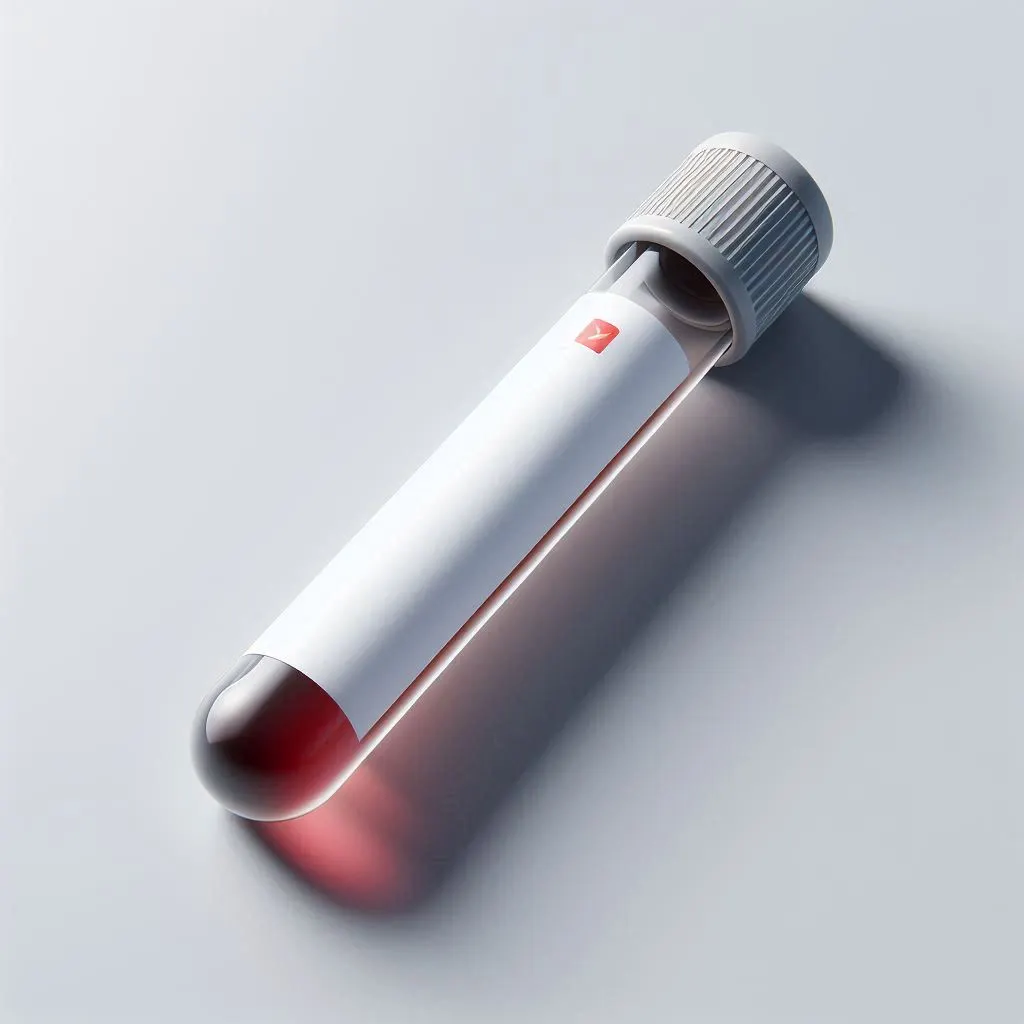
Organic Solvent Exposure Panel – Blood
€ 249,00
A broad blood‐based toxicology panel that quantifies exposure to both halogenated and non-halogenated hydrocarbons, common industrial and environmental organic solvents. This panel helps identify solvent exposure that may contribute to neurological, hepatic, or systemic symptoms and is especially relevant for occupational health, chemical exposure evaluation, and environmental toxicology.
Beschrijving
Biomarkers included
Halogenated hydrocarbons
These are solvents containing chlorine that are widely used in industry and can be toxic to the central nervous system, liver, and kidneys. Many are volatile and can be inhaled or absorbed through the skin.
- Chloroform
- cis-1,2-Dichloroethene
- Dichloromethane
- Tetrachloroethene (Perchloroethylene)
- Tetrachloromethane (Carbon tetrachloride)
- 1,1,1-Trichloroethane
- Trichloroethene (Trichloroethylene)
Why they matter clinically:
Halogenated hydrocarbons are associated with:
- CNS depression and neurotoxicity
- Liver injury (hepatoxic stress and CYP metabolism burden)
- Potential carcinogenicity (some are classified as probable human carcinogens)
- Occupational exposure risk (dry cleaning, degreasing, manufacturing)
Where they’re found:
Dry cleaning facilities, degreasing agents, chemical manufacturing, solvents in coatings and adhesives, contaminated indoor air in industrial settings.
Non-halogenated hydrocarbons
These solvents are widely used in both industrial and consumer products. Many are metabolised to acids or ketones and excreted in urine; blood levels reflect recent or ongoing exposure.
- 1-Butanol
- 1-Propanol
- 2-Butanol
- 2-Propanol (Isopropanol)
- Acetone, total
- Benzene
- Ethanol
- Ethylbenzene
- Isobutanol
- Methanol
- Methyl i-Butylketone
- Toluene
- Xylene
Why they matter clinically:
Non-halogenated hydrocarbons are associated with:
- Neurological symptoms (headache, dizziness, cognitive fog)
- Respiratory irritation
- Metabolic strain on detoxification pathways
- Occupational asthma and solvent-induced encephalopathy
Where they’re found:
Paints, coatings, cleaning agents, fuels and petrol vapour, printing industries, adhesives, household solvents, traffic exhaust.
Sample & methodology
Sample: Venous blood (serum; specialized tubes may be required)
Method: Gas Chromatography – Mass Spectrometry (GC-MS or GC-MS/MS)
Turnaround time: ~10–15 working days
Reporting: Quantitative concentrations with reference ranges and clinical interpretation notes
Clinical interpretation note
This panel reflects recent and sub-acute exposure, as many organic solvents are metabolised quickly but leave measurable signatures in blood. Results should be interpreted alongside:
- Occupational and environmental exposure history
- Symptoms (neurological, hepatic, respiratory)
- Other toxicology or metabolic panels
- More Details: Read Wellness Guide
Suitable for postal submission.
Additional information
| Weight | 0,5 kg |
|---|---|
| Dimensions | 16 × 2,5 cm |
| Sample Type |