Total:€ 515,00
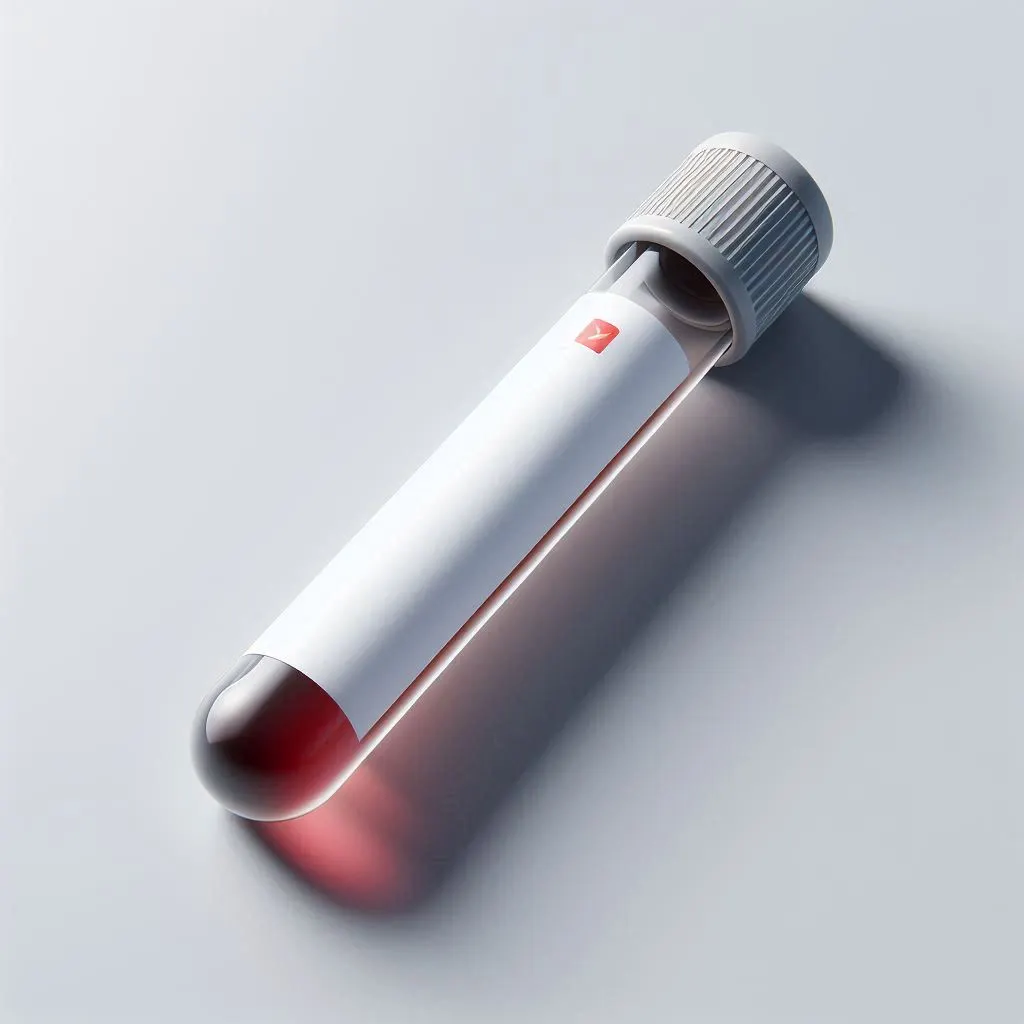
Toxic Heavy Metals in Blood
€ 79,00
Targeted screening of key toxic metals in blood to assess environmental and occupational exposure
Beschrijving
Clinical Overview and Rationale
Exposure to toxic elements remains an under-recognized but clinically relevant contributor to a wide range of chronic health complaints. Even low-level, long-term exposure to heavy metals can interfere with enzymatic function, mitochondrial activity, neurotransmission, and endocrine regulation.
The Toxic Heavy Metals in Blood panel is designed as a focused screening tool to assess current systemic exposure to the most clinically significant toxic metals using whole blood. Blood reflects recent and ongoing exposure and is therefore particularly useful when evaluating suspected environmental, occupational, dietary, or iatrogenic sources.
This test measures key toxic elements that are known to accumulate in the body and exert biological effects even at concentrations below overt toxicity thresholds.
Why measure toxic elements in blood?
From a clinical perspective, toxic metals are relevant because they:
- Bind to sulfhydryl groups and disrupt enzyme activity
- Increase oxidative stress and inflammatory signaling
- Interfere with essential mineral metabolism (such as zinc, selenium, and magnesium)
- Affect neurological, cognitive, and behavioral function
- Contribute to cardiovascular, renal, endocrine, and immune dysregulation
Blood analysis is particularly appropriate when symptoms suggest ongoing exposure, such as fatigue, neurological complaints, cognitive changes, unexplained anemia, gastrointestinal symptoms, or cardiovascular risk factors, or when exposure history is known or suspected.
Elements included and clinical relevance
This panel focuses on the most clinically impactful toxic elements such as:
- Lead
Associated with neurological, cardiovascular, renal, and hematological effects. Even low-level exposure has been linked to cognitive decline and increased cardiovascular risk. - Mercury (total)
Relevant for neurological function, mitochondrial health, and immune balance. Exposure may occur through diet, dental materials, or occupational sources. - Cadmium
Accumulates in the kidneys and bones and is associated with renal dysfunction, bone demineralization, and increased oxidative stress. - Arsenic
Linked to cardiovascular disease, insulin resistance, skin changes, and increased cancer risk. Exposure can occur via drinking water, food sources, or occupational settings. - Aluminum
Known to interfere with neurological and bone metabolism and may accumulate with chronic exposure. - Thallium
A highly toxic element with potential neurological and cardiovascular effects, even at very low concentrations.
Clinical use cases
This test is particularly useful in:
- Evaluation of unexplained chronic symptoms where toxic exposure is suspected
- Environmental or occupational exposure assessment
- Baseline screening prior to detoxification or chelation strategies
- Monitoring reduction of exposure over time
- Complementary assessment alongside mineral status or oxidative stress testing
Sample and logistics
- Sample type: Whole blood
- Collection: Standard venous blood draw
- Shipping: Suitable for postal submission
Additional information
| Weight | 0,5 kg |
|---|---|
| Dimensions | 25 × 16 × 2,5 cm |
| Sample Type |